
Prices and budgets
Caliper and market standard: reading the long span price list
Why a gauge label alone is not enough to compare long span quotations, with dated price examples.
By Eze Done Aluminium Concept ·
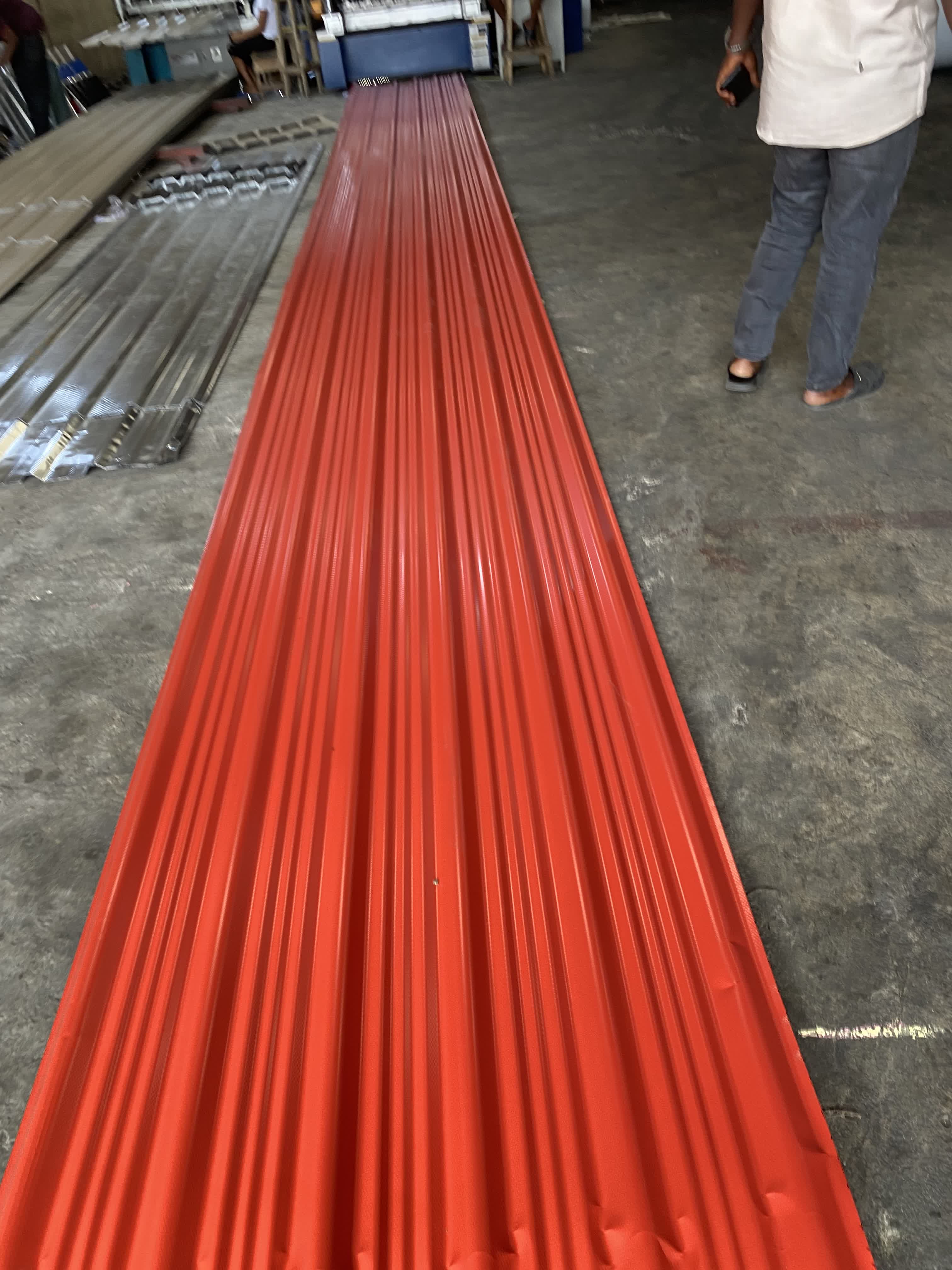
Two long span quotations can show the same gauge label and different prices because they refer to different standards. Eze Done's price list separates caliper standard from market standard. Keep that distinction visible when you compare offers, discuss a budget or confirm an order.
What these terms mean on Eze Done's list
The long span FAQ describes caliper standard as the full thickness of the named gauge when measured with a caliper. It describes market standard as thinner material sold under the same gauge label. This is the supplier's explanation of its two price categories; the names should therefore remain attached to the figures when you copy them into a budget.
A request for “0.45mm long span” leaves the standard unspecified. A more complete request names the gauge and standard together, along with the profile and quantity. If you are comparing quotations from different suppliers, ask each to explain the supplied specification rather than assuming the same informal terminology means exactly the same thing everywhere.
This distinction does not by itself select a suitable roof specification. The published list does not provide structural calculations or a universal gauge for each building type. Have the specification confirmed by the person responsible for your roof before treating a price comparison as a purchase decision.
A dated example makes the difference visible
In the November 2026 long span price list, 0.45mm caliper standard is ₦9,200 per square metre and 0.45mm market standard is ₦5,850 per square metre. The difference between those listed rates is ₦3,350 per square metre. These are historical examples from the owner's published list, not a promise that the same rates will apply when you order.
For an illustrative, already-confirmed order area of 100m², the sheet subtotals would be ₦920,000 and ₦585,000 respectively. The arithmetic shows the effect of the two rates. It does not establish that 100m² is the right purchase quantity for a particular roof, and it excludes items outside the sheet rate.
Delivery is quoted by location. Accessories and installation need their own scope and pricing. Keep these separate when looking at the difference between the two sheet subtotals, otherwise a quotation with more included items may appear misleadingly expensive.
A blank entry is not a zero price
Some gauges on the November list have a caliper rate without a market-standard rate. The published list also omits 0.55mm. Do not fill the gaps by averaging neighbouring figures, copying another gauge or assuming that an omitted option is free or unavailable.
Ask for the current availability and price of the exact combination you need. The catalogue's wider gauge range and the monthly published price list serve different purposes: one describes the product range, while the other records the rates that have been supplied for publication.
Keep the agreed standard on the order
When the quote arrives, check that the profile, gauge, standard, price unit and quantity are all written down. Ask how the supplied specification will be identified or confirmed at handover, and resolve that before accepting the order. Retain the quotation so the agreed wording remains available later.
For the latest figures, return to the current price page rather than reusing an old screenshot or this article's example. The practical rule is simple: compare the complete specification and complete scope, with the standard stated beside the gauge every time.